Learning how to collect payments from customers is one of the fastest ways to stabilize cash flow. You do not need a perfect system on day one. You need a simple rhythm: clear terms, easy payment options, and follow-ups that feel helpful instead of nagging.
Understanding how to collect payments from customers is crucial for small businesses.
Knowing how to collect payments from customers can help you identify patterns in payment behaviors.
In today’s fast-paced world, understanding how to collect payments from customers effectively can significantly impact your business’s financial health. Consider the various types of businesses and their unique payment needs, such as freelancers, service providers, and retail shops. Each of these may require tailored approaches to payment collection, addressing specific pain points that could arise.
Many successful businesses have mastered how to collect payments from customers effectively.
It’s essential to know how to collect payments from customers without causing frustration.
Learning ways to collect payments from customers can enhance your business operations.
Effective Strategies to Collect Payments From Customers
Why payment collection is really a customer experience problem
By focusing on the customer experience during the payment process, businesses can foster good relationships and ensure timely collections. For instance, consider creating a FAQ section on your payment page to address common concerns and questions customers may have regarding payment methods and procedures.
When customers delay payment, it is rarely because they want to cause trouble. More often, something is unclear: the total, the due date, the payment link, or what happens next. The businesses that collect payments smoothly make paying feel obvious and safe.
- Clarity beats pressure: confused invoices get parked.
- Speed beats perfection: a good invoice sent today beats a perfect one delayed.
- Consistency beats heroics: reminders should be predictable, not emotional.

Implementing a system to collect payments from customers leads to better cash flow management.
It’s beneficial to learn how to collect payments from customers efficiently.
Many resources focus on how to collect payments from customers quickly.
Businesses often seek advice on how to collect payments from customers effectively.
Offer payment methods customers will actually use
Improving how to collect payments from customers can lead to increased satisfaction.
Many articles discuss how to collect payments from customers to streamline processes.
If you want fewer excuses, reduce friction. That usually means meeting customers where they already pay: card, bank transfer, and sometimes digital wallets, depending on your audience. The goal is not to add every option under the sun. The goal is to remove the one excuse that shows up again and again in your business.
A practical approach is to standardize two or three methods, publish them in your quotes and invoices, and train your team to mention them when work is approved. Predictability helps customers build a habit of paying you the same way every time.
Additionally, offering flexibility in payment methods can cater to customer preferences and behaviors. For example, some customers may prefer paying through mobile payments or digital wallets, while others might feel more comfortable with traditional methods like checks. Analyzing your customer demographics can provide insights into which payment methods are most effective for your audience.
Moreover, integrating payment options with invoicing software can streamline the process, making it easier for customers to pay immediately upon receiving an invoice. This technology can enhance the overall customer experience, as they are less likely to face barriers that could delay payment.

Employing strategies on how to collect payments from customers can enhance cash flow.
Make invoices and quotes impossible to misunderstand
When crafting your invoices, consider using visual aids such as charts or graphs to depict payment structures or outstanding balances. This can simplify the information for customers and make it visually appealing. A well-structured invoice can significantly reduce the likelihood of misunderstandings.
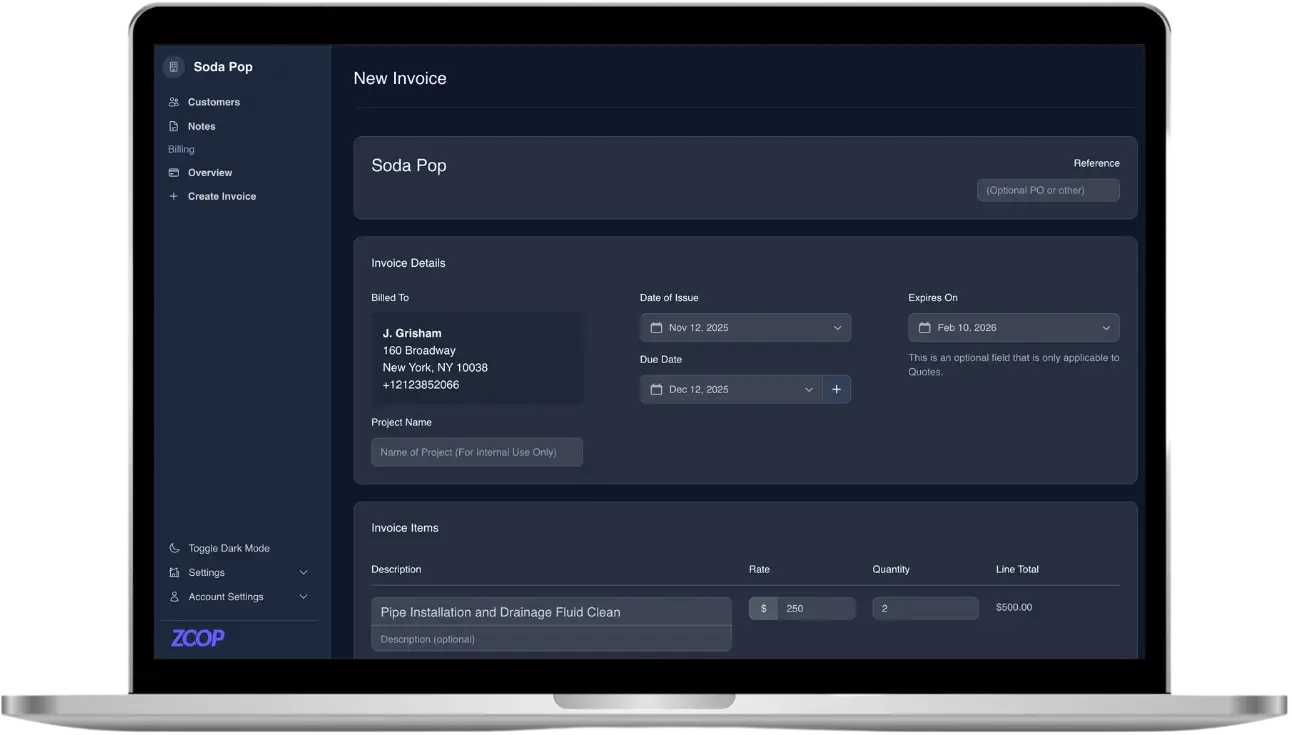
Strong collection starts before the due date. Your invoice should answer the questions customers ask silently: what am I paying for, what is the total, when is it due, and how do I pay? If you include those answers in plain language, you will spend less time on clarification emails.
- Line items that match reality: labor, materials, fees, and taxes separated cleanly.
- One obvious total: no surprises after the customer mentally budgeted.
- Terms that match your workflow: deposits, milestones, or net-30, stated upfront.
Follow up early, not only when you are annoyed
Finding the best ways on how to collect payments from customers is essential for growth.
Ultimately, knowing how to collect payments from customers is critical for success.
The best follow-up schedule is boring. A friendly confirmation right after sending, a reminder a few days before the due date, and a calm note on the due date beats a single angry message two weeks late. Early follow-ups are not about pressure. They are about making sure the invoice did not get buried.
Additionally, incorporating customer testimonials or case studies related to prompt payment experiences can build trust and encourage timely payments from new clients. Sharing success stories can serve as social proof that your payment processes are smooth and effective.
Following up consistently can also create a sense of reliability and trust. For example, using automated email reminders can ensure your customers do not miss payment deadlines, providing a simple, friendly nudge that reinforces your professionalism. This proactive approach can enhance relationships with clients and keep your cash flow healthy.

When payments are late, stay systematic
If payments do become late, consider implementing a tiered follow-up system. Start with gentle reminders and gradually increase the urgency of your communication if the situation does not improve. This systematic approach can lead to better outcomes while maintaining professionalism.
For businesses that see a significant amount of late payments, analyzing the reasons behind these delays can provide valuable insights. Conducting periodic reviews of your payment processes can help identify areas for improvement, allowing you to adapt and enhance your collection strategies going forward.
Lastly, remember that continuous learning is key. Attend workshops or webinars on financial management and payment collection strategies to stay updated on best practices. Networking with other business owners can also provide new ideas and insights that you can implement in your payment collection process.
Late payments are normal in small business life. What matters is your process: confirm delivery, confirm receipt of the invoice, confirm the customer can pay, then escalate in small steps. Keep the tone professional, document what you agreed, and avoid debating in email threads that go in circles.
If you are growing, this is also where tooling helps. A billing workflow that tracks balances, partial payments, and reminders keeps your team aligned so collection does not depend on one person remembering details.
A simple checklist you can reuse every week
- Send invoices immediately after the milestone you promised.
- Include payment instructions in the same message thread when possible.
- Remind before the due date, then on the due date, then on a steady schedule after.
- Track what is paid vs. due in one place so nothing hides in a notebook.
For broader context on cash flow and payment expectations, the U.S. Small Business Administration publishes practical guidance on managing business finances. If you are comparing card-based payment options, the Consumer Financial Protection Bureau explains how credit cards work in plain language, which can help you explain payment choices to customers.
By focusing on these key strategies and consistently refining your approach, you can effectively collect payments from customers while fostering positive relationships. Commit to making the payment process as seamless as possible to collect payments from customers and you will likely see improvements in your cash flow and overall customer satisfaction.